
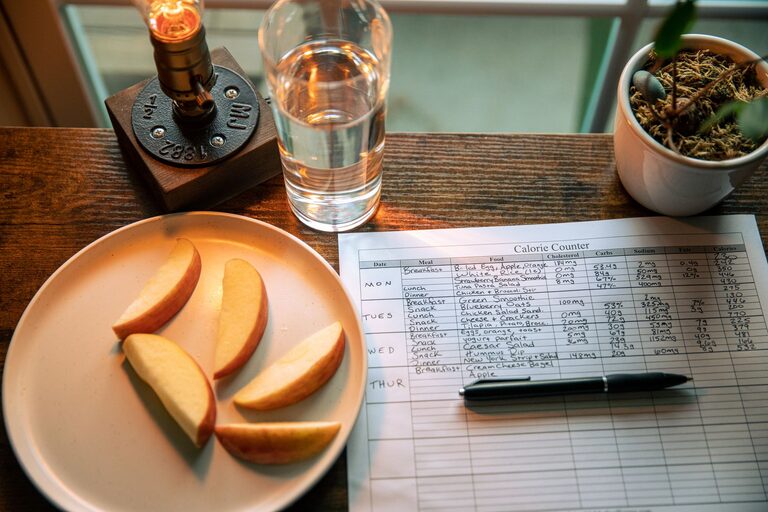
Planning balanced meals can feel overwhelming, especially with busy schedules and ever-changing food trends. However, creating nutritious meals without stress is absolutely possible with the right approach. This guide will walk you through practical tips and strategies to help you design well-rounded meals that support your health and fit your lifestyle.
What Is a Balanced Meal?
Before diving into planning, it’s helpful to understand what a balanced meal looks like. A balanced meal typically contains:
– Proteins: Support muscle repair and keep you full. Examples include lean meats, fish, beans, tofu, and eggs.
– Carbohydrates: Provide energy. Choose whole grains, fruits, and vegetables.
– Healthy Fats: Essential for brain health. Sources include avocados, nuts, seeds, and olive oil.
– Vitamins and Minerals: Found in colorful fruits and vegetables.
– Fiber: Helps digestion and can be found in whole grains, fruits, and veggies.
The goal is to combine these elements in a way that feels satisfying and enjoyable.
Step 1: Start with a Simple Meal Template
Using a basic template can remove guesswork. For example:
– Half your plate: Non-starchy vegetables (spinach, broccoli, carrots)
– One-quarter: Protein (chicken breast, lentils, fish)
– One-quarter: Whole grains or starchy vegetables (brown rice, sweet potatoes)
– Add healthy fats: A small amount of olive oil, nuts, or avocado
This format can be adjusted depending on your preferences or dietary needs but offers a great foundation.
Step 2: Plan Ahead With a Weekly Menu
Planning meals for the week can save time and reduce stress.
– Choose 3-4 core proteins: Pick a variety like chicken, beans, fish, or tofu.
– Select grains and starches: Brown rice, quinoa, whole wheat pasta.
– Pick a few favorite vegetables: Rotate seasonal options for freshness.
– Mix and match: Combine these ingredients in different ways to keep meals interesting.
For example, chicken with roasted vegetables and quinoa on Monday; lentil stew with brown rice on Tuesday.
Step 3: Keep Cooking Simple
You don’t need complicated recipes to eat well. Simple cooking methods include:
– Roasting: Toss vegetables and proteins with olive oil and your favorite herbs, then roast.
– One-pot meals: Combine grains, vegetables, and protein in one pot for easy prep.
– Salads: Mix leafy greens, proteins, nuts, and a light dressing for a quick meal.
– Slow cooker or Instant Pot: These can prepare delicious meals with minimal effort.
Simple does not mean boring—use spices and herbs to add flavor without extra calories.
Step 4: Use Grocery Lists to Stay Organized
Create grocery lists based on your meal plan. This helps avoid impulse buys and ensures you have everything needed.
– Group items by category: produce, proteins, grains, dairy, etc.
– Include staples like olive oil, spices, and canned beans.
– Check your pantry before shopping to reduce waste.
Using lists also makes shopping faster and more focused.
Step 5: Prep Ingredients in Advance
Meal prepping can significantly reduce daily stress.
– Wash and chop vegetables right after shopping.
– Cook grains or proteins in batches and refrigerate.
– Portion snacks or ingredients into containers.
Having components ready means you can assemble meals quickly during busy days.
Tips for Staying Stress-Free While Planning Meals
– Be flexible: If plans change, it’s okay to swap meals or use leftovers.
– Focus on balance, not perfection: Eating well most of the time is what matters.
– Include foods you enjoy: Balanced meals should be satisfying.
– Try new recipes gradually: Avoid overwhelming yourself with too many new dishes at once.
– Listen to your hunger and fullness cues: Eat when you’re hungry and stop when satisfied.
Sample Balanced Meal Ideas
– Breakfast: Greek yogurt with berries, nuts, and a drizzle of honey.
– Lunch: Quinoa salad with chickpeas, cucumber, tomatoes, feta, and olive oil.
– Dinner: Grilled salmon, roasted sweet potatoes, and steamed broccoli.
– Snack: Apple slices with almond butter.
Final Thoughts
Balancing your meals doesn’t have to be complicated or stressful. By starting with a simple meal template, planning ahead, keeping cooking easy, and prepping in advance, you can enjoy nutritious meals that support your well-being. Remember, the goal is to nourish your body while keeping mealtime enjoyable—finding your balance is a personal journey, and it’s okay to adapt as you go.
With these strategies, meal planning can become a manageable and even enjoyable part of your routine!