
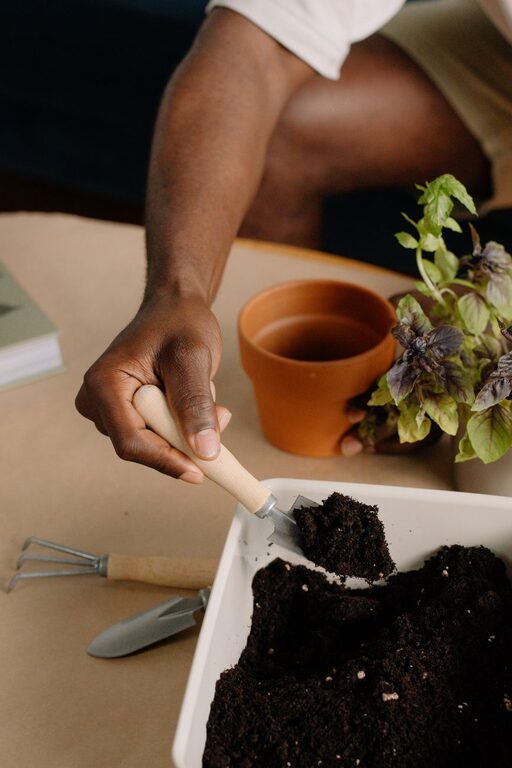
Starting a small herb garden indoors is a rewarding way to bring fresh flavors into your kitchen while adding a touch of greenery to your living space. Whether you have a sunny windowsill or a small countertop, growing herbs indoors is achievable with some simple steps and a bit of care.
Why Grow Herbs Indoors?
Indoor herb gardens offer several benefits:
– Freshness: Pick herbs like basil, thyme, or mint whenever you need them.
– Convenience: No need to run to the store for small amounts.
– Decor: Herbs brighten your home with greenery and natural fragrance.
– Learning: Great for beginners and kids to understand plant care.
Choosing the Right Herbs for Indoor Growing
Some herbs are more suited for indoor gardening due to their size and light needs. Here are popular choices:
– Basil: Loves warmth and plenty of light.
– Chives: Easy to grow and require moderate light.
– Mint: Hardy and spreads quickly but best kept in a separate pot.
– Parsley: Prefers bright light but grows slower.
– Thyme: Needs good drainage and bright light.
– Cilantro: Likes cooler temperatures and indirect light.
What You Need to Get Started
Before planting, gather your supplies:
– Containers: Small pots with drainage holes to prevent waterlogging.
– Potting Soil: A light, well-draining mix made for herbs or vegetables.
– Seeds or Starter Plants: Seeds are less expensive but take longer; starter plants offer quicker results.
– Light Source: A sunny window or grow lights if natural light is insufficient.
– Watering Can: For gentle watering.
– Labels: To keep track of your herbs.
Setting Up Your Indoor Herb Garden
Step 1: Pick the Location
Most herbs need 6 to 8 hours of sunlight daily. A south-facing window is ideal. If your space lacks enough natural light, consider using LED grow lights placed about 6 to 12 inches above the plants.
Step 2: Prepare the Pots
Fill your pots with potting soil, leaving about half an inch from the top. Ensure drainage holes are open. If necessary, place small stones at the bottom to improve drainage.
Step 3: Plant Your Herbs
– Seeds: Plant seeds according to the depth suggested on the packet, usually about twice their size.
– Starter Plants: Loosen roots gently and plant at the same depth they were in their original container.
Water the soil lightly to settle it around roots or seeds.
Step 4: Care and Maintenance
– Watering: Keep the soil moist but not soggy. Most herbs do well when watered once the top inch of soil dries out.
– Feeding: Use a balanced liquid fertilizer once a month to support growth.
– Pruning: Regularly pinch back leaves to encourage bushier plants and prevent flowering, which can make herbs bitter.
– Pests: Watch for common bugs like aphids; wipe leaves with a damp cloth or use mild insecticidal soap if needed.
Tips for Success
– Rotate pots every few days so all sides get sunlight.
– Use saucers under pots to catch excess water and protect surfaces.
– Avoid overcrowding pots; herbs need space for air circulation.
– Harvest herbs in the morning for the best flavor.
– Experiment with different herbs to find your favorites.
Troubleshooting Common Issues
– Yellow Leaves: Overwatering or poor drainage.
– Leggy Growth: Not enough light.
– Slow Growth: Nutrient deficiency, try fertilizing.
– Wilting: Check moisture; could be over- or underwatering.
Creative Ideas for Indoor Herb Gardens
– Window Boxes: Use a long planter along a window sill.
– Hanging Planters: Save space by suspending pots.
– Tiered Stands: Create multiple levels near a light source.
– Repurposed Containers: Use teacups, jars, or tins with drainage holes.
Conclusion
Starting a small indoor herb garden is an enjoyable project that enhances your kitchen and lifestyle. By choosing the right herbs, providing adequate light and water, and maintaining your plants with care, you’ll enjoy fresh, homegrown herbs all year round. Happy gardening!