
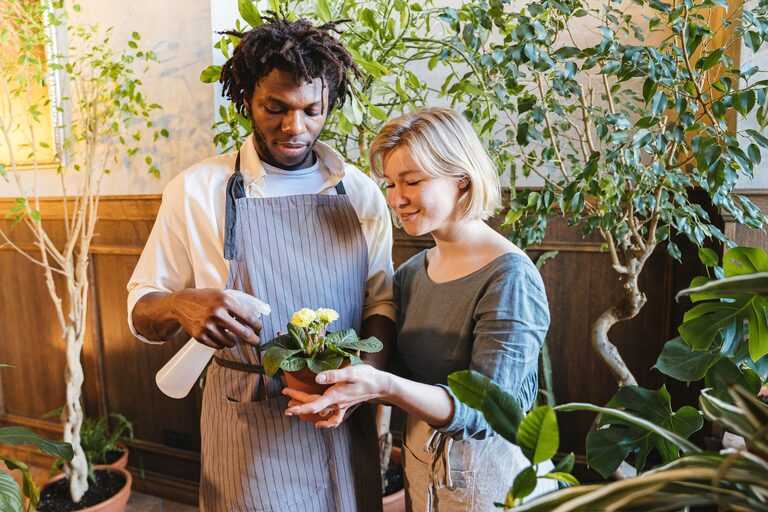
Bringing houseplants into your home can add beauty, improve air quality, and create a calming atmosphere. However, keeping these green companions healthy requires some knowledge and attention. Whether you’re a beginner or an experienced plant parent, understanding the basics of plant care is key to helping your houseplants thrive.
In this post, we’ll explore practical tips and best practices for maintaining vibrant, healthy houseplants. From watering and lighting to soil and pest management, these guidelines will support your indoor garden’s success.
Understanding Your Houseplant’s Needs
Different plants have different requirements, so the first step is to know your plant species. Many common houseplants come from tropical or subtropical regions and have specific preferences for light, moisture, and temperature.
Research Your Plant
– Identify the plant’s type and natural habitat.
– Learn optimal light levels—some plants require bright, indirect light, while others prefer low light.
– Understand watering frequency and soil preferences.
– Be aware of the temperature range and humidity needs.
Lighting: Providing the Right Amount
Light is essential for photosynthesis, the process plants use to make food. Insufficient or excessive light can cause stress and damage.
Tips for Proper Lighting
– Place sun-loving plants near south- or west-facing windows for maximum exposure.
– Use sheer curtains to diffuse intense direct sunlight that might scorch leaves.
– For low-light plants, choose north-facing windows or corners away from harsh sun.
– Consider grow lights if natural light is inadequate, especially in winter months.
Watering: Striking the Perfect Balance
Overwatering and underwatering are common causes of houseplant problems. The key is to find the right balance based on your plant’s needs.
Watering Guidelines
– Check soil moisture before watering. Insert your finger about an inch into the soil; water if it feels dry.
– Use room-temperature water to avoid shocking the roots.
– Water thoroughly until excess drains out of the bottom of the pot.
– Ensure pots have drainage holes to prevent water stagnation.
– Adjust watering frequency according to the season—plants often need less water in cooler months.
Soil and Fertilization: Nourishing Your Plants
Healthy soil provides nutrients and supports root growth. Using the right soil and fertilizing properly can make a big difference.
Soil Tips
– Use a well-draining potting mix suited to your plant type.
– Repot plants every 1-2 years to refresh soil and provide space for roots.
– Avoid using outdoor garden soil as it may compact or carry pests.
Fertilization Advice
– Feed plants with a balanced, water-soluble fertilizer during the growing season (spring and summer).
– Follow the recommended dosage to prevent over-fertilizing, which can damage roots.
– Reduce or stop fertilizing in fall and winter when many plants enter dormancy.
Humidity and Temperature: Creating a Comfortable Environment
Most houseplants thrive in temperatures between 60-75°F and appreciate moderate humidity.
Enhancing Humidity
– Group plants together to create a microclimate with higher humidity.
– Use a humidifier or place a tray with water and pebbles near plants.
– Mist leaves occasionally, especially for tropical plants, but avoid soaking them.
Temperature Tips
– Keep plants away from drafts, heaters, and air conditioners.
– Avoid sudden temperature changes which can stress plants.
Pruning and Cleaning: Maintaining Plant Health
Regular maintenance helps plants grow strong and stay pest-free.
Pruning
– Remove dead or yellowing leaves to prevent disease spread.
– Pinch back leggy growth to encourage bushier plants.
– Use clean, sharp scissors or pruning shears.
Cleaning
– Wipe leaves gently with a damp cloth to remove dust, enhancing photosynthesis.
– Check plants regularly for signs of pests like aphids, spider mites, or scale.
Pest Management: Protecting Your Plants
Indoor plants can attract pests, but early detection and treatment keep infestations under control.
Pest Prevention and Treatment
– Inspect new plants before bringing them indoors.
– Isolate infected plants to prevent spread.
– Use natural remedies like insecticidal soap or neem oil when necessary.
– Maintain good air circulation and avoid overwatering to discourage pests.
Conclusion: Consistency is Key
The most important factor in keeping houseplants healthy is consistent care and observation. Paying attention to your plants’ signals will help you address their needs promptly. With these tips, your indoor garden will flourish, bringing color and life to your home for years to come.
Happy planting!